Condensation Between the Panes
Moisture that is trapped inside the glazing cavity and cannot be wiped away is the clearest sign of sealed-unit failure.

If condensation or misting is trapped between the panes of your double glazing, the sealed glass unit has likely failed.
The good news is that a failed sealed unit does not automatically mean replacing the entire window. If the frame is still in good condition, the glass unit itself can often be replaced.
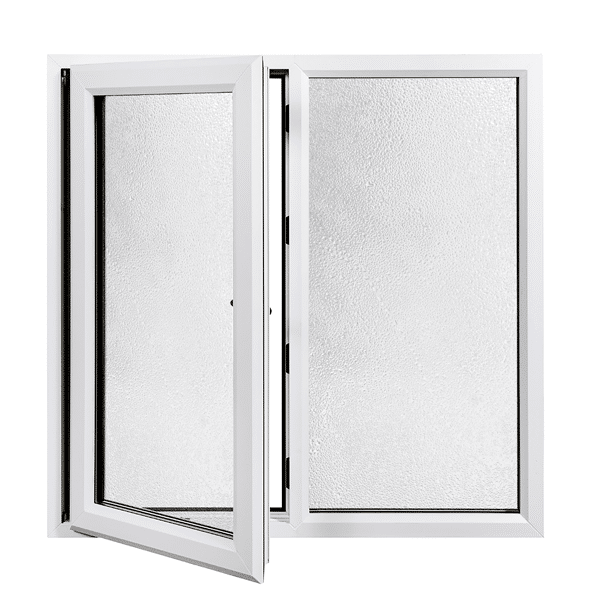
If the seal around an insulating glass unit has failed and moisture is entering between the panes, replacing the failed sealed unit is normally the practical way to restore clear glazing and its intended performance.
This does not necessarily mean replacing the complete window. Where the existing frame and hardware remain serviceable, a replacement sealed glass unit can often be fitted into the existing frame.
A double glazed sealed unit consists of two panes of glass separated by a spacer, creating a sealed cavity between them.
The cavity may contain air or an insulating gas such as argon. Together, the glass panes and sealed cavity help reduce heat transfer through the window.
When the perimeter seal fails, moisture can enter the cavity. This is when misting, fogging or droplets may begin to appear between the panes.
Moisture that is trapped inside the glazing cavity and cannot be wiped away is the clearest sign of sealed-unit failure.
A failed unit may become cloudy or misty, sometimes changing in appearance as temperatures and weather conditions change.
Droplets or streaking can develop inside the sealed cavity as more moisture enters the unit.
Not sure whether your glazing has failed? Read our complete guide to how to tell if double glazing has blown .
Measures such as using a dehumidifier, adding window film or fitting weatherstripping may help with other condensation or draught problems, but they do not restore a failed seal around an insulating glass unit.
If moisture is trapped between the panes, the underlying problem is within the sealed glazing unit itself.
The condition of the frame, glazing and surrounding components can be assessed to confirm whether the problem is limited to the sealed unit.
A replacement sealed unit needs to match the dimensions and appropriate specification of the existing glazing.
The old insulating glass unit can be removed from a serviceable frame by an appropriate glazing professional.
The new sealed unit is fitted into the existing window and the glazing is secured correctly.
No. If the existing frame and hardware remain in good condition, the failed sealed glass unit can often be replaced while retaining the rest of the window.
Once moisture has entered the cavity of a failed insulating glass unit, simply sealing around the visible window frame does not restore the original sealed cavity. Replacement of the failed glass unit is normally the practical solution.
A misted unit does not necessarily mean the complete window has suddenly become unsafe, but the seal failure will not repair itself. Having it assessed will establish whether replacement of the glass unit is appropriate.
Condensation between the panes indicates moisture has entered the sealed cavity, which is a sign that the insulating glass unit has failed.
If your double glazing is misted between the panes, St Helens Windows can help assess your existing glazing and discuss the most suitable replacement options.