How To Remove Damp From Your Home

How To Remove Damp

Here at St Helens Windows, we understand the importance of keeping a healthy, happy home. However, sometimes problems pop up that may be of concern. Damp is one of these concerns and an estimate of around 4% of homes in the UK have damp.

Damp can be an easy thing to take care of in your home. That is why we have put together this helpful guide. It includes some of the best ways that may prevent damp in your home.

If you are unsure of how damp is effecting your home or it is having a negative effect on your health, you should consult with a damp specialist.

clean-windows

Get Rid Of Condensation

Because of colder weather, condensation can become a bigger problem. That is due to things like drying clothes indoors, leaving pans to boil without lids and hot showers.

Condensation can gather in all sorts of places, which can cause problems over time if left untreated. If you have condensation problems in your home, you will need to wipe down windows and your sills every day using a cloth. Wring the rag instead of using the radiator to dry it out.

Condensation isn’t the only problem that may cause damp. However, by reducing the moisture inside the home, you could be helping to prevent it.

Carrying Out Maintenance

Some damp comes from the outside of the home. Damp proofing the outside of the walls can help to prevent this. Furthermore, regularly remove any debris from the outside of the house. That includes things such as leaves, soil and debris. By doing this, you may help to remove damp.
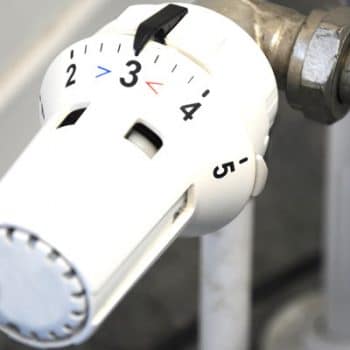
Thermostat Controls on radiator

Use More Heat

A well-ventilated home can help to reduce moisture in the air. However, a draughty house can cause damp problems.

A warmer home will produce less condensation, make sure your walls and loft have insulation. Plus, you can block out any draughts coming from windows and doors.

Turning up the heat all the time might not be for everyone. But keeping a least a low-level heat throughout the days will help to keep the home dry. That may help to prevent moisture build-up and save you money on expensive damp treatments.

Damp That Rises

Damp that rises usually affects the walls at ground level. The wall itself may have adequate damp proofing but could be subject to the build-up of moist soil, pathways and even turf on the outside wall.

Carry out inspections on your house wall to see whether you can remove away any soil or other materials away from the wall, which may be causing damp to build up.

Drainage

Water Damp From Outside

Water entering our homes from the outside may cause damp. Carry out regular property maintenance to prevent any damp that may seek inside. Check windows, gutters, and door frames for cracks or any other way water could enter the home.

Carrying out these simple tasks and checks will help to prevent future damp.
What Are the Signs You Need New Windows?

What Are the Signs You Need New Windows?

What Are the Signs You Need New Windows? House windows play an important role in providing our homes with comfort, security and energy efficiency. Over long periods of time, even…
What Is the Definition of a Conservatory?

What Is the Definition of a Conservatory?

What Is the Definition of a Conservatory?   Essentially, a conservatory is an addition to a building, usually a home, that features extensive glass walls and roofs to create a…
What Are the Latest Front Door Trends?

What Are the Latest Front Door Trends?

What Are the Latest Front Door Trends? The look, safety, and energy efficiency of your house are all greatly influenced by your front door. Front door trends will emphasise durability,…
Can uPVC Windows Look Like Timber?

Can uPVC Windows Look Like Timber?

Can uPVC Windows Look Like Timber?   Many homeowners find it difficult to resist the appealing qualities of timber windows. They adore the cosy, traditional appearance of wood, but they…
Are uPVC Windows Suitable for Older Homes?

Are uPVC Windows Suitable for Older Homes?

Are uPVC Windows Suitable for Older Homes? When it comes to upgrading their windows, many homeowners with older buildings are hesitant. “Are uPVC windows suitable for older homes?” is a…
Can uPVC Windows Be Fitted in Winter?

Can uPVC Windows Be Fitted in Winter?

Can uPVC Windows Be Fitted in Winter? A common question among homeowners is whether window replacement is feasible in the winter. The good news is that uPVC windows can be…
Do uPVC Windows Reduce Heat Loss?

Do uPVC Windows Reduce Heat Loss?

Do uPVC Windows Reduce Heat Loss?   Indeed, uPVC windows greatly minimise heat loss, which is one of the key factors contributing to their widespread use for modern houses. uPVC…
How Long Does uPVC Window Installation Take?

How Long Does uPVC Window Installation Take?

How Long Does uPVC Window Installation Take? One of the first things you’ll probably ask if you want to enhance your house with new uPVC windows is: How long does…
Do Composite Doors Rot or Rust?

Do Composite Doors Rot or Rust?

Do Composite Doors Rot or Rust? One of the most important factors that homeowners take into account when selecting a new front door is durability. Particularly in the UK’s sometimes…
What Is the Best Flooring for a Conservatory?

What Is the Best Flooring for a Conservatory?

What Is the Best Flooring for a Conservatory?   A conservatory is a one-of-a-kind room that links your home and the garden. As the room opens up to various temperatures,…
How to Decorate a Conservatory?

How to Decorate a Conservatory?

How to Decorate a Conservatory?   A conservatory is a quite practical room in your house. It has plenty of light and a view over the garden, and therefore may…
How to Make a Conservatory Warmer

How to Make a Conservatory Warmer?

How to Make a Conservatory Warmer?   Conservatories are great for additional room and light within the home. They are, however, in the winter, draughty and chilly. You might be…