
Get Started
Fantastic offers now on, get your free no obligation quote today.
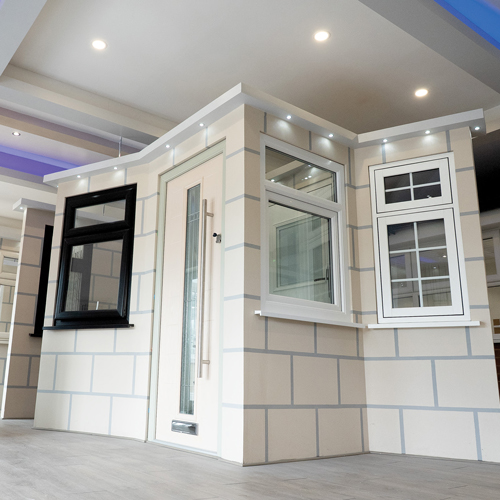
Windows, Doors & Conservatories Installed By Trusted Local Experts
Energy-Efficient Double Glazing, Composite Doors & Home Extensions
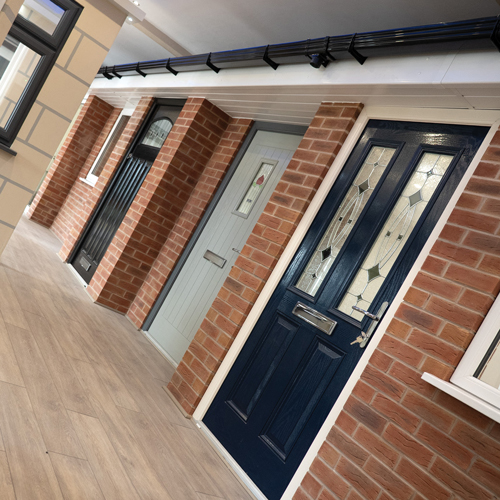
At St Helens Windows, we design and install high-quality replacement windows, uPVC and composite doors, conservatories, and orangeries throughout the Northwest. With over 30 years of experience, we assist homeowners in enhancing energy efficiency, security, and kerb appeal, offering professional installation and straightforward, honest pricing.
Windows Designed For Modern Living
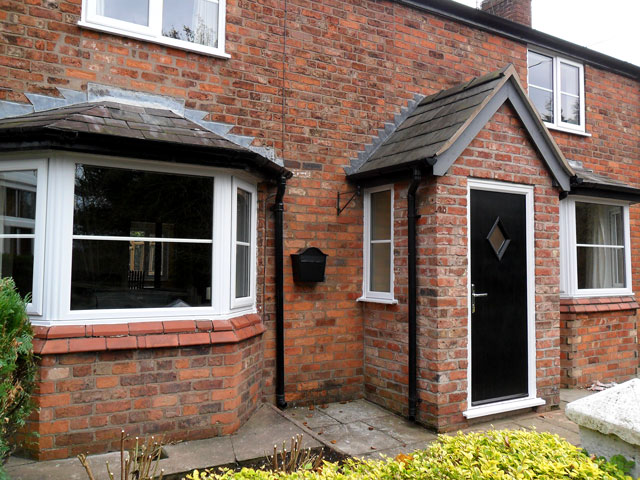
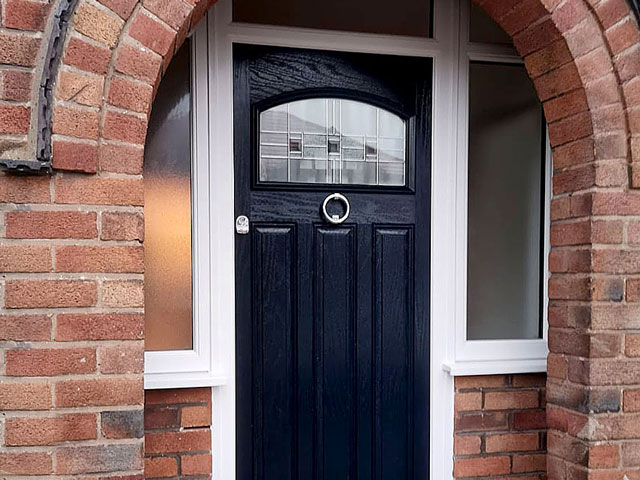
Upgrading your windows is one of the most effective ways to reduce heat loss, enhance protection, and refresh your home’s appearance. We supply and install high-quality uPVC windows with energy-efficient double glazing, available in a range of styles, colours, and PAS024 security standards.
Create A Living Space
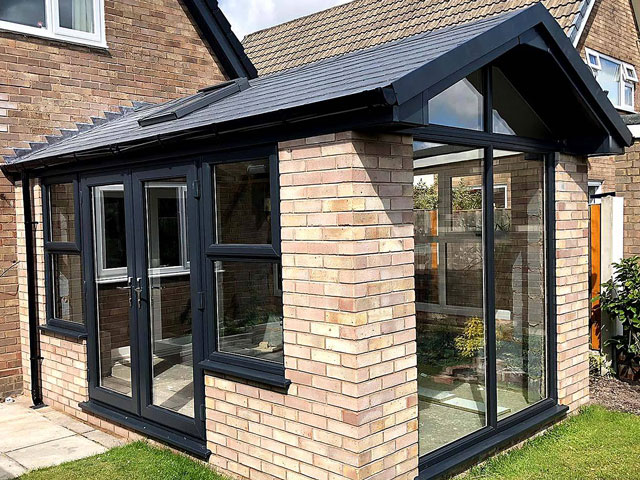
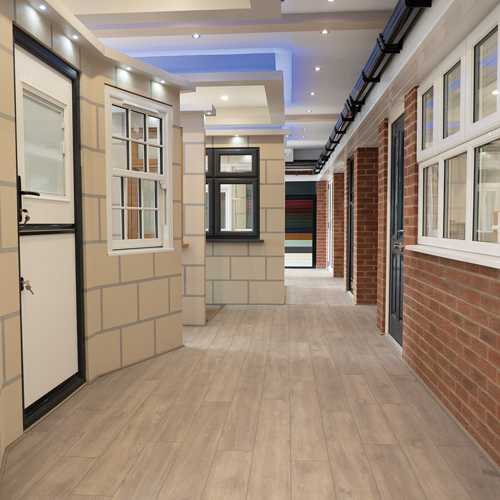
Create a brighter, more versatile home with a bespoke conservatory or orangery, designed for year-round comfort, featuring energy-efficient features and a fully managed installation tailored to your style and budget.
Why Choose St Helens Windows?
- Comprehensive Guarantees
- Manufactured in the UK
- Over 30 Years in Business
- Experienced Installation Teams
- No High-Pressure Sales
We take pride in delivering high-quality products and providing friendly, professional service from initial inquiry to final installation.
Our Process
Initial Enquiry
Start your home improvement journey by contacting our team. We will discuss your requirements, styles and designs. This will help us understand your requirements and recommend suitable solutions for your home.
Free Quote & Advice
Following your initial enquiry, we provide a free, no-obligation quote for your home. Our expert team will provide professional advice on selecting the right product for you and your home.
Survey & Measurements
Once you decide to go ahead, our surveyors will carry out an on-site inspection. Precise measurements will be taken of your chosen product to ensure your new product is designed and installed for optimal durability, performance and visual appeal.
Professional Installation
Our highly skilled installers carefully prepare the installation area and fit your new product with care. Using high-quality materials, we ensure a professional finish that improves the appearance of your home.
Checks & Site Clean-Up
Upon completion of installation, we carry out checks to ensure every detail meets our standards. We check alignment, finishing touches and structural integrity before leaving your property tidy, clean and ready to enjoy.
Aftercare & Guarantee
Your satisfaction is our priority. We provide guarantees on all our products and workmanship, along with expert aftercare support. Our team remains on hand to assist with any questions you may have. Ensuring complete peace of mine long after final installation.
Frequently asked questions
Prices vary according to size, style, and glazing options. Plus, we offer free, tailored quotations so you know what to expect.
Yes. Our double glazing options are designed to improve insulation and help to reduce heat loss.
Most window and door installations are completed within one to two days, depending on the project size.
Customers Reviews
We take pleasure in providing great customer service, but don’t take our word for it.


Industry Accreditations