What Can I Do About Condensation?

Why Do I Have Condensation On My Windows?

When it comes to springtime, we often see an influx of condensation on the outside of our windows, especially from high-performance double glazing. The build-up of dew shows that the windows are doing their job. That includes keeping the warmth in and the cold out. So really there is no reason to worry.

External condensation is a natural phenomenon. It usually occurs in autumn and springtime. The dew point is the temperature where concentrated water vapour in the air forms dew. If and when the air temperate cools down, the dew point can no longer hold moisture. That forces water vapour to condense.

While the effect of condensation doesn’t last long, there is very little to avoid it building up on the outside windows. Once the window panes have warmed up from the sun, the moisture will evaporate. Wind and breezes can also help remove the build-up of dew.
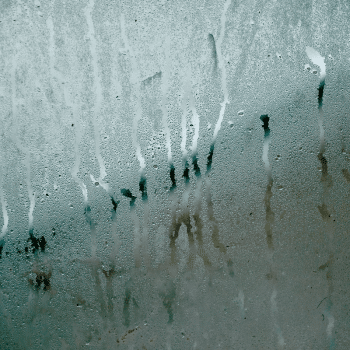
Condensation on a window

Condensation Outside

Sometimes you may notice that not all of your window panes are affected by condensation, even on the same windows. Different objects outside of our homes, such as nearby buildings and trees, can change the surface temperature. That can have an effect on only one panel being affected by condensation and another being fine. Self-cleaning glass, on the other hand, has properties which can help reduce external dew. Being a self-cleaning glass makes it less prone to condensation than other glass.

Condensation In Between My Glass

Condensation that occurs between the insulated glass unit is usually a sign of an edge seal break. Therefore, allowing warm air inside the house to mix with cold air between the glass. As a result, it causes the air to condense, allowing dew to form between the panes. Lifetime insulated glass units bought from a reputable window company will have a well-drained and ventilated frame. That will help to prevent any future edge seal leaks.
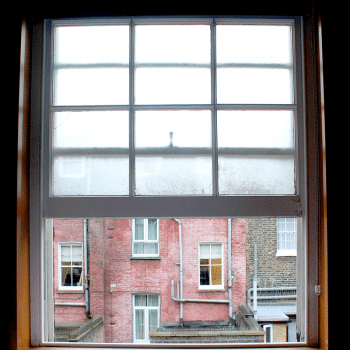
Condensation on Sliding Windows

Condensation Inside

Dew usually forms on the inside of our windows that faces rooms with high moisture. These rooms are generally bathrooms, kitchens and even gyms. The most commonplace for condensation is on the inside of bathroom windows due to the increase in humidity. There is very little that you can do about the dew on the inside of your windows. However, high-quality double glazing and triple glazing can help out in most situations. That is because the inner pane is less likely to get cold.

If you want to know more from our home improvement specialists, get in touch. Call our team on 01744 611 203 to get started.
What Maintenance Do Conservatories Actually Need?

What Maintenance Do Conservatories Actually Need?

What Maintenance Do Conservatories Actually Need?   Modern conservatories are made to be weather-resistant, durable and relatively low maintenance. However, like most parts of the home exposed to the outside…
What Are the Signs You Need New Windows?

What Are the Signs You Need New Windows?

What Are the Signs You Need New Windows? House windows play an important role in providing our homes with comfort, security and energy efficiency. Over long periods of time, even…
What Is the Definition of a Conservatory?

What Is the Definition of a Conservatory?

What Is the Definition of a Conservatory?   Essentially, a conservatory is an addition to a building, usually a home, that features extensive glass walls and roofs to create a…
What Are the Latest Front Door Trends?

What Are the Latest Front Door Trends?

What Are the Latest Front Door Trends? The look, safety, and energy efficiency of your house are all greatly influenced by your front door. Front door trends will emphasise durability,…
Can uPVC Windows Look Like Timber?

Can uPVC Windows Look Like Timber?

Can uPVC Windows Look Like Timber?   Many homeowners find it difficult to resist the appealing qualities of timber windows. They adore the cosy, traditional appearance of wood, but they…
Are uPVC Windows Suitable for Older Homes?

Are uPVC Windows Suitable for Older Homes?

Are uPVC Windows Suitable for Older Homes? When it comes to upgrading their windows, many homeowners with older buildings are hesitant. “Are uPVC windows suitable for older homes?” is a…
Can uPVC Windows Be Fitted in Winter?

Can uPVC Windows Be Fitted in Winter?

Can uPVC Windows Be Fitted in Winter? A common question among homeowners is whether window replacement is feasible in the winter. The good news is that uPVC windows can be…
Do uPVC Windows Reduce Heat Loss?

Do uPVC Windows Reduce Heat Loss?

Do uPVC Windows Reduce Heat Loss?   Indeed, uPVC windows greatly minimise heat loss, which is one of the key factors contributing to their widespread use for modern houses. uPVC…
How Long Does uPVC Window Installation Take?

How Long Does uPVC Window Installation Take?

How Long Does uPVC Window Installation Take? One of the first things you’ll probably ask if you want to enhance your house with new uPVC windows is: How long does…
Do Composite Doors Rot or Rust?

Do Composite Doors Rot or Rust?

Do Composite Doors Rot or Rust? One of the most important factors that homeowners take into account when selecting a new front door is durability. Particularly in the UK’s sometimes…