What Causes Condensation On Windows & How To Stop It

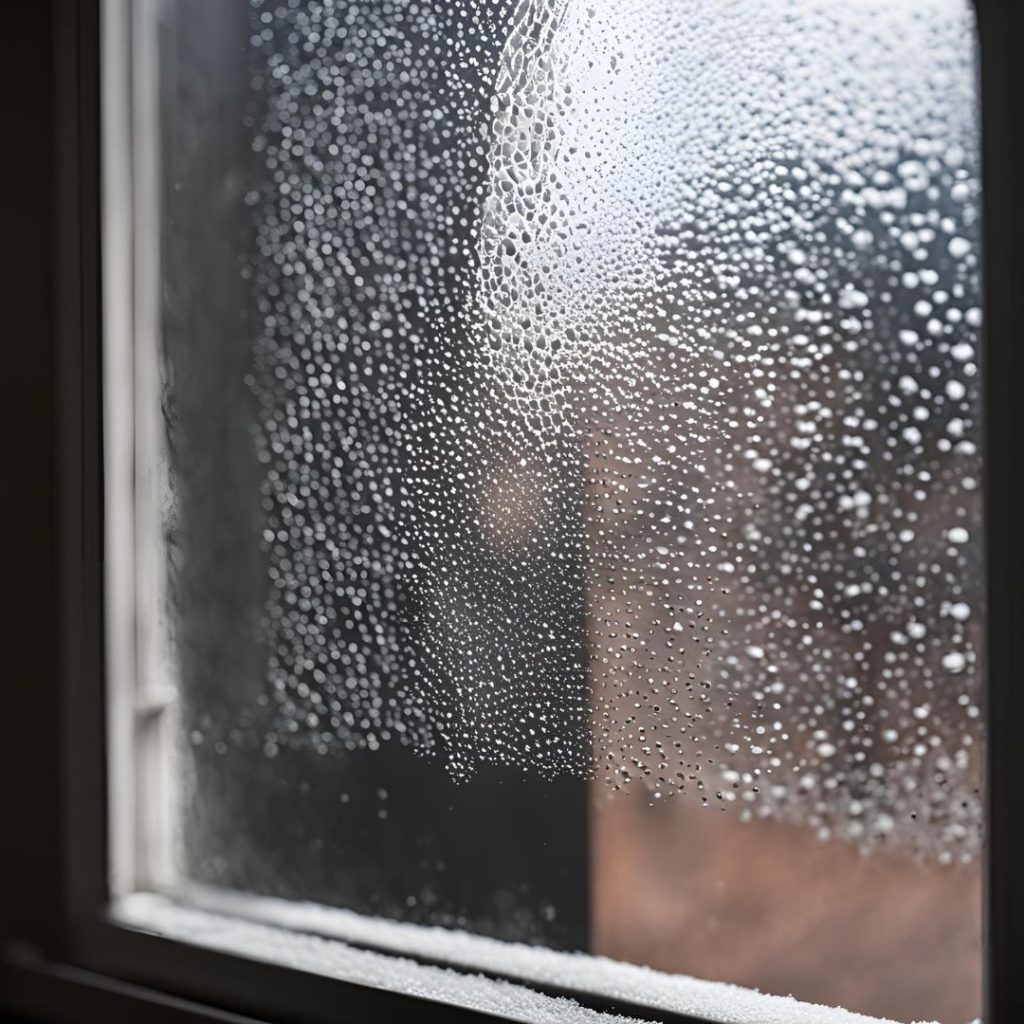
Condensation on windows is a very common problem for many homes, especially during the winter months when warm indoor air meets the cold glass surface.

While small amounts of condensation on the windows is harmless, excessive moisture can lead to damp patches, mould and sometimes damage to the window frame or the surrounding plaster.

Window condensation can happen for a wide range of reasons, including excess humidity, damaged window seals, poor ventilation and temperature differences between the inside and outside of your home.

In this guide, we will explain what causes condensation on your windows and ways to help reduce it throughout your home.

window condensation

Types Of Window Condensation

Condensation On The
Inside Of Windows

Condensation on the inside of windows is caused by poor ventilation and excess moisture within the property. It is especially common during the winter months when warm air inside meets the cold glass surface.

Condensation On The
Outside Of Windows

External condensation is usually caused by dew forming on the outside glass surface. This is usually a sign that modern double glazing is working correctly and reducing heat transfer.

Condensation Between
Window Panes

Moisture that gets trapped between glass panes may indicate a failed sealed unit. In most cases, this can require replacement glass units or brand new uPVC windows.

How to Reduce Kitchen Condensation?

What Causes Window Condensation?

Poor Ventilation

Kitchens, bathrooms and drying clothes inside your home can increase moisture levels.

Excess Humidity

Too much moisture in the air can create increased risks of condensation.

Cold Weather

Warm indoor air condenses when it meets the colder glass surfaces.

Damaged Window Seals

Failed glass panes and double glazing units can trap moisture between the panes.

10 Ways To Reduce Condensation On Windows

Reducing condensation often requires reducing excess moisture, improving ventilation and helping to maintain consistent indoor temperatures throughout the property.

Open Windows Daily

Opening windows for just a short period of time a day can help to improve ventilation and also allow excess moisture to escape from your home.

Use Extractor Fans

Extractor fans in bathrooms and kitchens help to remove humid air before condensation can develop on cold surfaces and windows.

Avoid Drying Clothes Indoors

Drying washed clothes indoors can increase moisture inside the home and contribute to the build-up of condensation forming on windows.

Replace Failed Glass Units

Condensation that gets trapped between the glass window panes may indicated a failed seal unit and could require replacement glass or a new window.

Consider New Windows

Modern triple glazed and double glazed windows are designed to help improve insulation and reduce heat loss throughout the home.

Improve Air Circulation

Good airflow throughout the home can help a lot to reduce moisture build-up and help to minimise condensation problems.

Use Moisture Absorbers

Products built for reducing moisture can also help to reduce humidity levels in enclosed spaces and smaller rooms throughout the home.

Keep Rooms Warm

Maintaining a more consistent indoor temperature can help reduce condensation forming on colder window surfaces.

Use A Dehumidifier

Dehumidifiers can help to remove excess moisture from the air and help to reduce condensation throughout the property.

Improve Window Insulation

Increasing insulation around your homes windows may also help reduce temperature differences that contribute to the build up of condensation.

When Should You Replace Condensation-Damaged Windows?

If condensation keeps happening between the glass panes, or your windows are showing signs of failed seals, mould or excessive moisture build-up, it might be time to consider modern replacement windows.

Here are some signs that your windows may need replacing:

– condensation trapped between panes
– damaged or warped window frames
– excessive draughts
– mould around windows
– rising heating costs
– poor insulation

Modern uPVC replacement windows can help improve insulation, thermal efficiency and the overall comfort of your home.

How Do I Stop Condensation on My Windows?

Frequently Asked Questions

Condensation on windows is mostly caused by moisture in the air touching the cold glass surface. It tends to occur during colder months when warm indoor air comes into contact with the colder window panes.

Very small amounts of condensation are usually harmless. However, increased condensation can lead to damp patches, mould, damaged window frames and cause moisture problems throughout the home.

Condensation is often seen mostly in the morning because the outside temperates are cooler overnight whilst moisture levels indoor increase from cooking, showering and breathing.

Increase ventilation, opening windows regularly, using extractor fans and reducing moisture buildup inside your home can all help to reduce condensation on the inside of windows.

Yes. Opening windows regularly can help improve airflow and allow humid air to escape, reducing condensation on windows and helping to reduce moisture build-up.

Modern triple glazed windows and double glazed windows are designed to reduce heat lose and improve insulation, which further helps to reduce condensation problems compared to older window systems.

Condensation that becomes trapped in-between the glass panes is usually an indication of a failed sealed unit. In these cases, the glass unit or the full window may need replacement.

Dehumidifiers can help to remove moisture from the air and help reduce the condensation throughout the home, particularly in rooms with poor or no ventilation.

Yes. Condensation is more common during the winter months because the warm air indoors contains more moisture while glass window surfaces are colder.

High amounts of condensation can contribute to mould growth, if moisture builds up around walls, windows or plaster without ventilation.

Replacement Windows Designed For Energy Efficiency

At St Helens Windows, we provide a wide range of modern replacement windows that are designed to help improve insulation, minimise condensation and reduce heat loss.

Our experienced team is always ready to help you choose energy-efficient window styles for both traditional and modern homes. Call us today on 01744 611203 to discuss with one of our advisors.


Request a free quotation on replacement windows


    Aluminium WindowsBay WindowsBow WindowsCasement WindowsSash WindowsTilt & TurnGeorgian Windows