Window Awning
An awning is generally a projecting shade fitted above a window. It may be fixed or retractable and can be made from materials such as fabric, metal or polycarbonate.
Read about fixed window awnings
Window overhangs can be known by several different names depending on their design, materials and purpose.
Common terms include window awning, window canopy and window hood. Although these names are sometimes used interchangeably, they can describe different types of structures above a window.
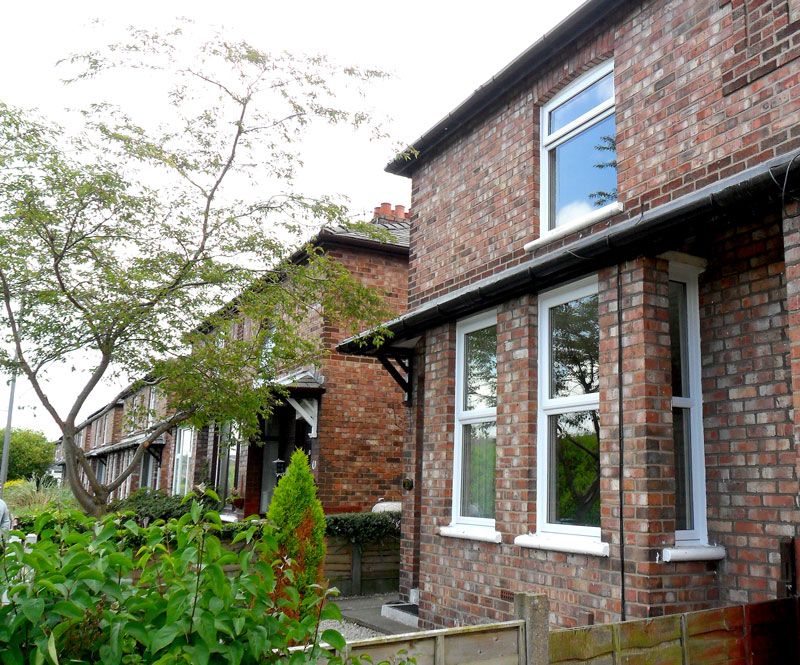
There is no single name for every type of window overhang.
A lighter projecting shade is often called a window awning, while a more permanent roof-like structure may be described as a window canopy.
The term window hood can also be used for a smaller architectural projection positioned above a window.
An awning is generally a projecting shade fitted above a window. It may be fixed or retractable and can be made from materials such as fabric, metal or polycarbonate.
Read about fixed window awningsA window canopy usually describes a more permanent projection above a window. Some designs are roof-like and can be finished with tiles to complement the main roof of the property.
Read about tiled window canopiesWindow hood is another architectural term for a projection over a window. It can describe a smaller decorative or protective feature built into the exterior design of a property.
A projecting overhang can reduce the amount of direct sunlight reaching the window depending on its size, position and orientation.
Depending on its design, an overhang can provide some additional shelter from direct rainfall around the window area.
Overhangs can add depth and character to the exterior of a property, from traditional tiled features to more contemporary designs.
| Term | Typical Description | Common Purpose |
|---|---|---|
| Window Awning | A lighter projecting shade, which may be fixed or retractable. | Shade and additional weather cover. |
| Window Canopy | A more permanent structure, sometimes built like a small roof. | Shelter and architectural detailing. |
| Window Hood | A smaller architectural projection above the window. | Decorative detailing and limited additional cover. |
Aluminium and other metal systems can create a clean, modern appearance and are commonly used for fixed awnings and canopies.
Timber can suit more traditional properties and can be used for decorative or structural overhang features, although exterior wood normally requires suitable maintenance.
Transparent or translucent panels can provide cover while allowing more daylight through the overhang.
A more substantial roof-like feature above a window is commonly described as a window canopy or tiled roof canopy.
These designs are usually more permanent than lightweight awnings and may use clay, concrete or slate-style roof coverings to complement the main property.
What is the roof over a window called?A projecting structure designed mainly to provide shade is commonly described as a window awning.
Where the awning remains permanently extended rather than retracting, it may be described as a fixed or stationary awning.
What do you call a canopy over a window?Consider whether the main purpose is shade, weather cover, architectural detail or a combination of these.
Choose a design and material that work with the style and proportions of the building.
Make sure the overhang does not unnecessarily block daylight, views or the normal operation of the window.
Permanent exterior features should be correctly supported and installed for the building and local exposure.
Common terms include window awning, window canopy and window hood. The most accurate term depends on the design and construction.
The terms can overlap, but an awning generally describes a projecting shade, while a canopy can describe a heavier or more permanent roof-like structure.
A window hood is an architectural projection positioned above a window and may provide decorative detailing and some additional cover.
It is commonly described as a window canopy or tiled roof canopy.
They can. The amount of shade depends on the projection, orientation, design and position of the overhang.
Explore replacement window styles and options designed to complement your home.