Misting Between the Panes
Condensation or fogging appears inside the sealed glass unit rather than on a surface you can clean.

The clearest sign of blown double glazing is condensation, misting or moisture trapped between the panes of glass that cannot be wiped away from either side.
This usually means the sealed glass unit has failed and moisture has entered the space between the panes.
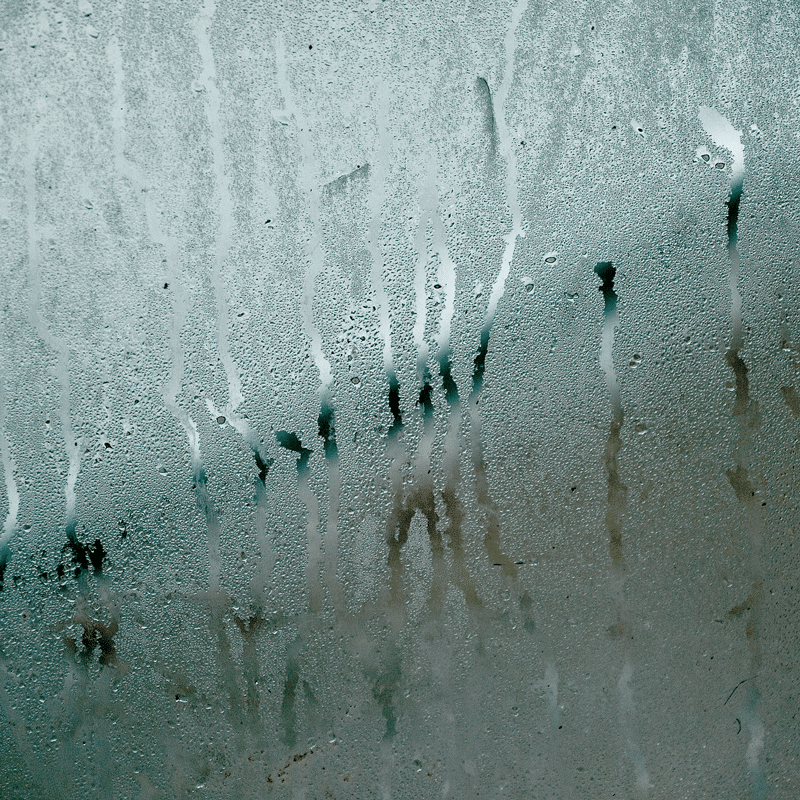
Condensation or fogging appears inside the sealed glass unit rather than on a surface you can clean.
The window may look permanently cloudy, misty or dirty even after both exposed surfaces have been cleaned.
In more noticeable cases, droplets, streaks or moisture marks may develop between the panes.
Double glazing is made from two panes of glass separated by a sealed cavity. When that sealed unit fails, outside air and moisture can enter the space between the panes.
Once moisture gets inside, the window may begin to mist or develop condensation that cannot be cleaned away normally.
This is different from ordinary household condensation because the moisture is trapped inside the sealed glazing unit.
If a window remains foggy after you have wiped the inside and outside surfaces, look closely to see whether the moisture is actually trapped between the panes.
Persistent internal misting is one of the strongest indications that the sealed double-glazed unit has failed.
As the problem develops, you may see droplets, streaks or marks inside the glass unit.
The amount of visible moisture can change with temperature and weather, so a failed unit may appear clearer on some days than others.
Condensation trapped between the two panes can indicate that the sealed glazing unit has failed.
Condensation on the room-facing surface is normally related to moisture and ventilation within the home rather than automatically meaning that the sealed unit has failed.
Exterior condensation can occur on efficient glazing during certain weather conditions and does not by itself mean the window is faulty.
Moisture or contamination inside the sealed unit can leave the glass looking cloudy or dirty even when both accessible surfaces are clean.
Misting sometimes appears first around the perimeter of the glazing before becoming more noticeable across the rest of the pane.
Not every faulty window has a blown sealed unit.
Draughts may come from worn weather seals, gaps around the frame, adjustment problems or installation issues rather than the sealed glass unit itself.
A window that sticks or will not close correctly may have a problem with its hinges, locks, frame or alignment rather than blown glazing.
Cracking, warping or rot is a frame problem and should be assessed separately from failure of the sealed glass unit.
A cracked pane is physical glass damage. Although it may require repair or replacement, it is not the same thing as identifying a failed seal through condensation between intact panes.
Wipe the accessible inside and outside surfaces so ordinary dirt and surface condensation can be ruled out.
Check for mist, droplets or streaking that remains trapped inside the sealed unit.
Misting may become more or less visible as temperatures change, so inspect the pane again if the problem appears intermittently.
If condensation is clearly trapped between the panes, a window professional can confirm whether the sealed unit has failed.
Not necessarily.
If the window frame, hardware and surrounding installation are still in good condition, it may be possible to replace the failed sealed glass unit without replacing the entire window.
If the frame itself is also damaged, badly worn or approaching the end of its useful life, replacing the complete window may be more appropriate.
You can also read our guide to replacing broken-down sealed units for more information about the next step.
The appearance of misting may change with the weather, but condensation trapped inside a failed sealed unit can return because the underlying seal problem remains.
You cannot normally wipe away condensation that is trapped inside a sealed double-glazed unit because it is inaccessible from the room or outside surfaces.
Not necessarily. Condensation on the room-facing surface is commonly associated with indoor humidity and ventilation. Condensation trapped between the panes is the more important sign of sealed-unit failure.
Not always. If the existing frame is still in good condition, the failed sealed glass unit may be replaceable without replacing the entire window.
If you are experiencing condensation between the panes or your existing windows are reaching the end of their useful life, St Helens Windows can help you explore the options available.