Casement Window
Good ventilation, practical operation and suitable for most standard garages.

Choosing the right window for a garage means balancing natural light, ventilation, security, privacy and durability.
The best option will also depend on how you use the garage. A workshop, storage area or attached garage can each benefit from a slightly different window style and glazing setup.
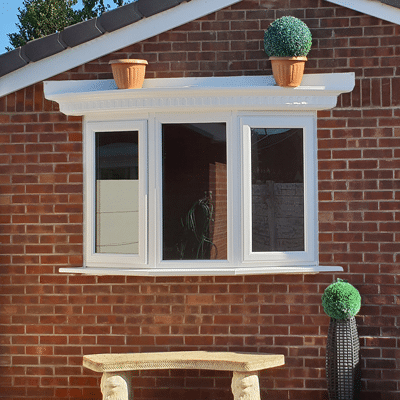
For most garages, a casement window is a strong all-round choice because it provides good ventilation, natural light and straightforward security.
If ventilation is not important, a fixed window can be a simpler option. Tilt-and-turn windows are useful where you want more control over airflow.
Good ventilation, practical operation and suitable for most standard garages.
Ideal where natural daylight and simplicity matter more than ventilation.
Useful when you want flexible ventilation without opening the window fully.
A garage window needs to do more than simply look good. Think about how each of these factors affects the space.
Natural daylight can make a garage much easier to use, particularly if the space is used for DIY, hobbies, vehicle maintenance or storage.
An opening window can improve airflow and help moisture escape, which is useful in garages that regularly become damp or humid.
Garages often contain tools, bicycles and other valuable items. Window position, secure locks and suitable glazing should therefore form part of the overall security plan.
Frosted or obscure glazing can allow daylight into the garage while making it more difficult for people outside to see what is stored inside.
Garage windows are exposed to the same changing weather conditions as the rest of the property, so durable frames and low-maintenance materials are worth considering.
A garage used as a workshop has different requirements from one used mainly for storage, so think about the room's purpose before choosing the window.
Several window styles can work well in a garage. The right one depends mainly on how much ventilation, security and opening access you require.
Fixed windows do not open, making them a straightforward choice where the main objective is to bring more natural light into the garage.
Awning windows are hinged at the top and open outwards. They can provide useful ventilation while helping to limit rain entering through the opening.
Casement windows open from a side hinge and provide a wide opening for airflow. They are a practical general-purpose option for many garages.
Sliding windows open horizontally and do not project outwards, making them useful where space immediately outside the garage is limited.
Tilt-and-turn windows can tilt inwards for controlled ventilation or open more fully when greater access or airflow is needed.
uPVC is low maintenance, resistant to moisture and available in a wide range of styles and finishes. It can be a practical option for both attached and detached garages.
Aluminium offers slim frames, strength and a modern appearance. Its strength can also work well where larger areas of glazing are wanted.
Timber provides a more traditional appearance and can suit garages where the windows need to complement an older property, although periodic maintenance is normally required.
Composite window systems combine different materials to balance appearance, insulation, strength and durability.
Double glazing can improve thermal performance and reduce outside noise. This becomes particularly useful when the garage is attached to the house or regularly used as a workspace.
Where security is important, suitable safety or laminated glazing and secure window hardware can make the window more appropriate for the location.
Frosted or obscure glazing can provide useful privacy without blocking natural daylight completely.
Insulated frames and suitable glazing can help reduce heat transfer, particularly where the garage forms part of the thermal envelope of the home.
Window placement can influence privacy, security, natural light and how much usable wall space remains inside the garage.
Positioning windows higher on the wall can bring daylight into the garage while reducing direct views of tools, vehicles and other items stored inside.
A side-wall window can provide both daylight and ventilation without interfering with the operation of the main garage door.
Some garage doors can incorporate glazing, allowing additional daylight into the space without using valuable wall area for a separate window.
If you regularly work in the garage, prioritise natural light and ventilation. Opening windows can make the space more comfortable while daylight improves visibility.
For a garage used mainly for storage, privacy and security may matter more than maximum ventilation. High-level or obscure glazing can work particularly well.
Where the garage is attached to the house, thermal performance may become more important. Good-quality frames and glazing can help create a more comfortable adjoining space.
The best option depends on how you use the garage and what matters most: ventilation, natural light, privacy or security.
A casement window is a strong all-round choice when you want both daylight and useful ventilation.
If you mainly want natural light and do not need an opening window, a fixed design keeps things straightforward.
Where the garage is overlooked or contains valuable items, obscure glazing can let in light while limiting views from outside.
Whatever style you choose, the window position, glazing and frame material should suit the way the garage is actually used.
St Helens Windows supplies and installs a wide range of window styles. Speak to our team about the right window configuration, glazing and frame material for your property.