
Our team of experts has several years of experience building extensions in the Crosby and Merseyside areas.
Your Crosby Home Deserves A Beautiful Conservatory
Whether you already have a clear vision in mind or need expert guidance on styles, layouts, colours, glazing, or roofing options, our experienced team will support you every step of the way. We take the time to understand your space, lifestyle, and budget to help you create a beautiful, practical extension that complements your home perfectly.
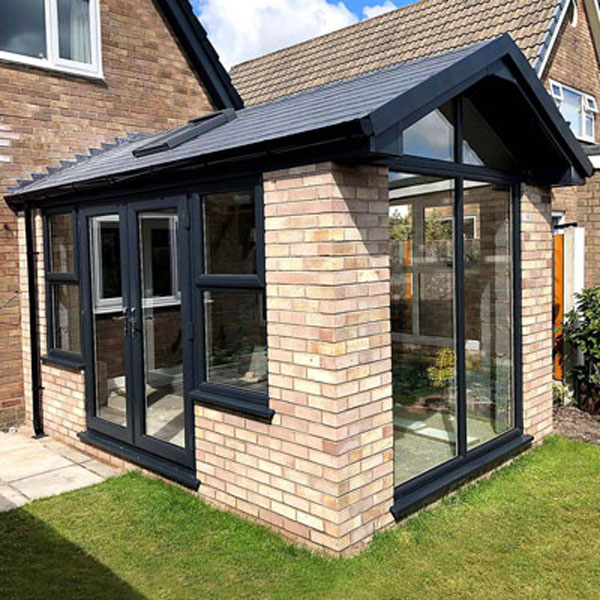
Plus, our conservatories, extensions, and sunrooms all come with a range of roof options, including the traditional glass roof to a modern energy-efficient lightweight solid tiled roof.
Get Your Free No Obligation Conservatory Quote
Get one of the best energy rated and aesthetically pleasing systems on the market.
Create More Space And Light With A Crosby Conservatory
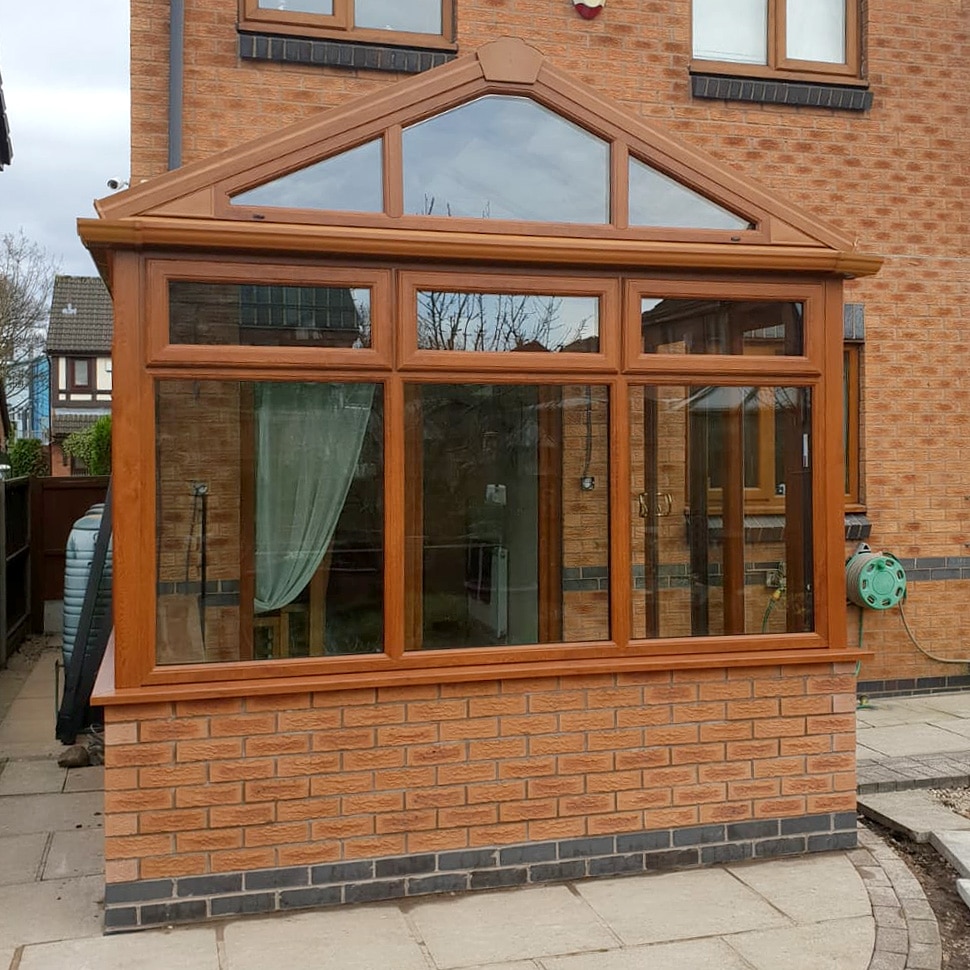
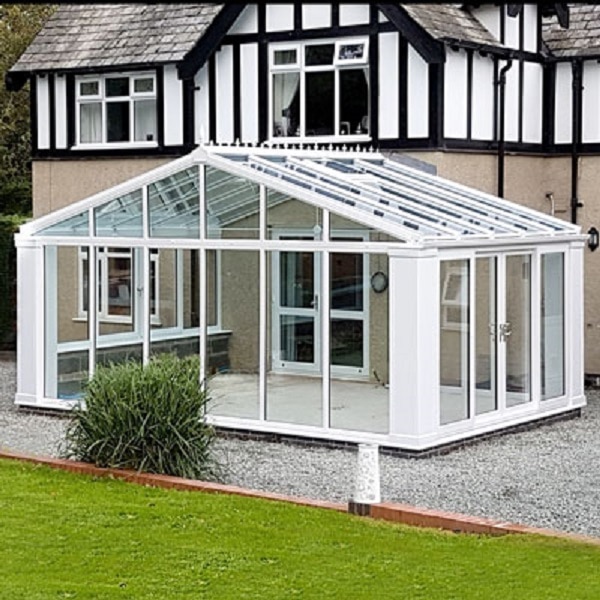
Conservatories are available in several styles. A conservatory can also be tailor-made to accommodate your home. A new conservatory will help create a tranquil space for you and your family to enjoy all year round. Plus, it can add value to your home. If you are looking for a traditional Victorian or a contemporary Lean-to, we can help. The following illustrations show the different styles available.
Relax and enjoy a personal visit in which our advisers will discuss your ideas, preferences, and your vision for your home. Our advisers offer comprehensive guidance, collaborating with you to bring your ideas to life, making the process easy and stress-free

Download A Conservatory Brochure
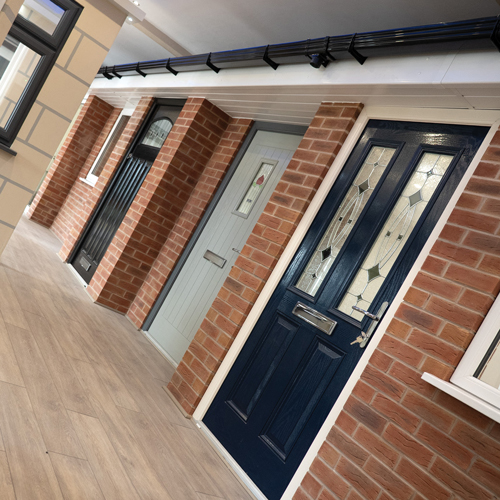
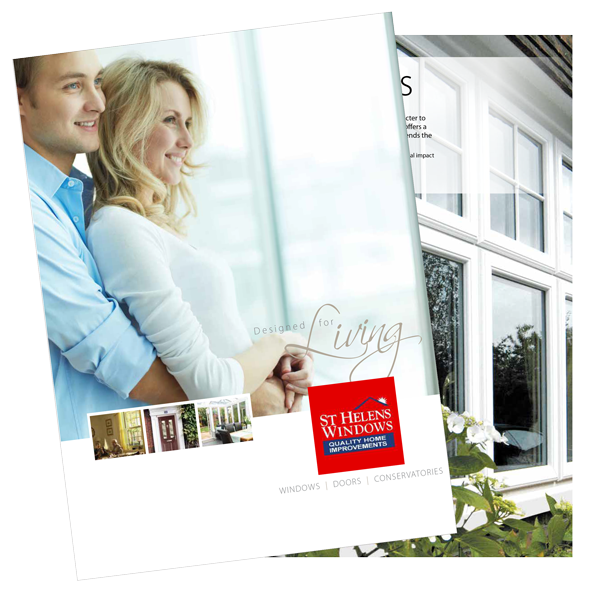
Explore our comprehensive conservatory brochure to discover the perfect extension for your home. Inside, you’ll find inspiration, design ideas, styles, colours, and roofing options to help you choose the ideal conservatory, orangery, or sunroom. Simply enter your details below, and we’ll send your free brochure straight to your door.
Frequently Asked Conservatory Questions
The majority of conservatories do not need planning permission. That is because they fall under the bracket of permitted development. There are a variety of factors that affect planning permission. However, we can help if you need planning. We have a team of experts on hand to help make the process as stress-free as possible.
A conservatory needs to have a solid foundation, similar to a house. That is because it is an extension of the living space in your property. Without foundations, your conservatory would be prone to moving and falling. That is why a foundation is crucial and comes as part of our building process.
If you want to know more about how we lay our foundations, get in contact with our team. Call 01744 611 203 to find out more.
Although uPVC conservatories are a popular choice, we can also offer Aluminium conservatories. Our uPVC designs will have a similar look to the majority of the extensions you will see. However, we can make each design unique to your preferences.
On the other hand, our Aluminium conservatories have a slimmer framework. These conservatories are a stylish choice and are easy to maintain.
A correctly built conservatory can last for years with the right care and maintenance. When we design your extension, our team will be able to take you through the things you need to know to ensure your conservatory stands the test of time.
Conservatories tend to feature less brickwork and come with a large area of windows. Orangeries, on the other hand, look similar to an extension. We tend to build our orangeries with brick, and they are perfect with a lantern roof. That boosts the natural light in your home.
Yes, you can spread the cost of your conservatory into manageable monthly payments. This makes it easier to invest in your home without paying everything up front.
Customers Reviews
Why Are They Called Conservatories?
The word conservatory emanates from the Italian word ‘conservato’, meaning stored, and the Latin word ‘ory’, which means a ‘place for’.
Originally used to describe a building that stores food. However, conservatory as a word was eventually used to define a glazed structure for preserving or safeguarding plants during the winter.
In the 18th century, conservatories were used as luxury outbuildings on country homes and stately properties. Hence, the period names Victorian and Edwardian extensions.
Accreditations





Start planning your future project

Call Us 0800 854 803

Email Us

Customer Reviews

Benefits and Features

Service & Planning

Cookies & Private Policy