Small Opening
Opening a sash slightly can provide some additional airflow without having the window fully open.

Sash windows are known for their traditional appearance, but their sliding design can also provide flexible natural ventilation.
Depending on the sash window design, opening the upper and lower sections can help air move through the room while allowing you to adjust how much ventilation you want.
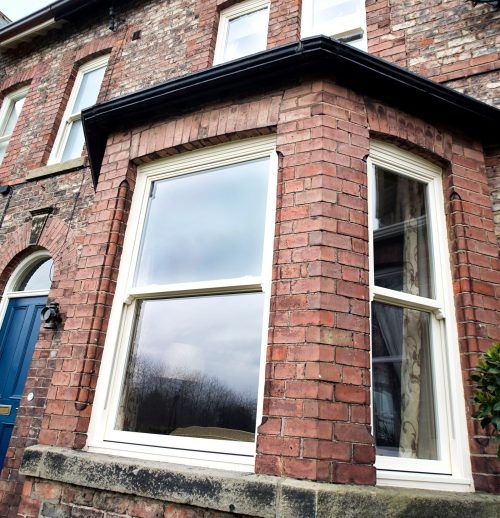
Yes. Sash windows can provide very flexible ventilation because the opening can be adjusted rather than simply being fully open or closed.
On sash windows where both sections can be opened, opening the lower and upper sash can encourage cooler air to enter lower down while warmer indoor air escapes higher up.
Traditional sash windows use sliding glazed sections known as sashes. Depending on the design, one or both sashes can be opened to allow fresh air into the room.
Where the upper and lower sash are both movable, opening them together can create ventilation at two different heights. Warmer indoor air can leave through the higher opening while cooler air enters through the lower opening.
This is one of the practical features that has helped sash windows remain popular alongside their traditional appearance.
Opening a sash slightly can provide some additional airflow without having the window fully open.
During warmer weather, opening the window further can increase the amount of natural ventilation entering the room.
Where both sashes operate, using both openings gives you additional control over how air moves through the room.
Ventilation can help remove moisture-laden indoor air and may reduce condensation caused by high indoor humidity.
This can be particularly useful in rooms where moisture regularly builds up, although opening a window is not a cure for every condensation or damp problem.
Condensation can also be influenced by heating, insulation, indoor humidity, glazing and other parts of the building.
Opening sash windows allows outdoor air to replace stale indoor air, making natural ventilation useful when a room feels warm or stuffy.
How much ventilation is appropriate depends on conditions outside as well as the temperature and humidity inside the property.
Modern double-glazed sash windows can retain the sliding style and ventilation benefits associated with sash windows while providing modern glazing and improved thermal performance when the window is closed.
Ventilation and insulation should be considered separately: opening any window allows heat to move between indoors and outside, while the glazing and frame help reduce unwanted heat loss when the window is closed.
Explore our sash windowsSash windows provide flexible ventilation, but there is no single window style that is best for every room or property.
Casement, sash and other opening styles provide airflow in different ways. The most suitable choice depends on the location of the window, how you want it to open and the amount of ventilation required.
Compare window types for ventilationYes. Their sliding design allows the opening to be adjusted, and designs with two movable sashes can provide openings at both the top and bottom of the window.
Opening the upper and lower sections can encourage air movement at different heights, with warmer indoor air able to leave higher up while cooler air enters lower down.
Ventilation can help manage indoor humidity and may reduce condensation associated with excess moisture, but condensation can have several different causes.
Yes. Modern sash windows can retain the sliding opening system while also using modern frames, glazing and security features.
No. One of their useful features is that the opening can usually be adjusted depending on how much airflow is wanted.
Explore our sash window options and speak to the St Helens Windows team about the right style for your home.