Temperature Differences
Porches often experience larger temperature changes than the main house. When warmer air meets colder glazing, frames or walls, condensation can form.

Condensation on a porch can frustrate homeowners and lead to moisture-related problems if it is allowed to build up.
Understanding why condensation forms can help you identify the source of the moisture and decide what needs attention.
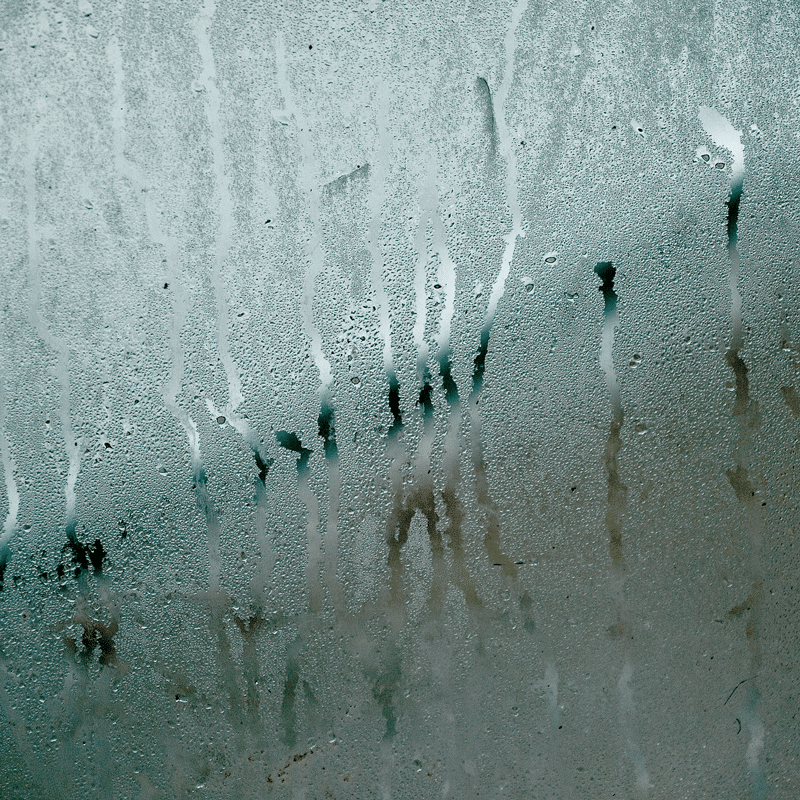
Condensation forms when warm, moist air comes into contact with cooler surfaces.
On porches, this typically happens when moisture in the air reaches cold windows, frames, walls or ceilings. The water vapour then becomes visible as droplets on the surface.
The problem can become more noticeable when temperatures fall or when moisture becomes trapped inside an enclosed porch.
Porches often experience larger temperature changes than the main house. When warmer air meets colder glazing, frames or walls, condensation can form.
Excess humidity increases the likelihood of condensation. Wet shoes, coats, umbrellas, plants and other damp items can all add moisture to the air.
Insufficient airflow can trap moist air inside the porch. Without a suitable route for that moisture to escape, humidity can build up.
Porches can become significantly colder than the adjoining house, particularly during winter. Colder windows, frames and walls make condensation more likely when they meet warm, moisture-rich air.
Windows are often where condensation becomes visible first because the glazing can be one of the colder surfaces inside the porch.
This does not automatically mean the window has failed. Condensation on the room-facing surface of the glass is usually linked to humidity, ventilation and surface temperature.
Moisture trapped between the panes of a sealed double-glazed unit is a different issue and can indicate a problem with the sealed unit itself.
During colder weather, porch windows, doors and frames can become much colder while warmer air may still enter from the adjoining house.
Wet footwear, coats and umbrellas can also introduce additional moisture during winter, increasing humidity inside an enclosed porch.
This combination of moisture and colder surfaces is why condensation is often most noticeable during the winter months.
Condensation commonly appears as droplets across colder surfaces such as windows and frames and is often worse during cold weather or periods of higher indoor humidity.
Water that appears mainly during or after rainfall, or repeatedly develops around one roof joint, frame, gutter or wall connection, may indicate a leak instead.
Once you know the moisture is condensation rather than a leak, reducing excess humidity and improving airflow can help.
Avoid leaving wet coats, shoes and umbrellas in the porch for long periods, make use of available ventilation and wipe away heavy condensation before water remains sitting on frames or surfaces.
For a full step-by-step guide to reducing the problem, see our dedicated winter condensation guide.
How to stop condensation in a porch during winterIf condensation remains severe despite controlling moisture and improving ventilation, or if you are unsure whether the water is actually coming from a leak, the porch may need closer inspection.
Persistent moisture can sometimes point to damaged seals, water ingress, inadequate ventilation or another issue that needs identifying before the correct solution can be chosen.
Moisture in the air can turn into water droplets when it reaches colder surfaces such as porch windows and frames.
Colder outside temperatures make porch surfaces colder, increasing the chance of condensation when they come into contact with warmer, humid air.
Yes. Wet items release moisture as they dry, which can raise humidity inside an enclosed porch.
Not necessarily. Condensation on the inside surface is usually linked to humidity and temperature. Moisture between the panes of a sealed unit is a different issue.
Not necessarily. Condensation normally forms across cold surfaces, while water that appears from one location after rainfall may indicate water ingress.
Explore porch glazing, doors and designs available for homes across the North West.